
By Carol Burns, Leeds Diocese Pax Christi
Most of the time we do not realise that we live in a ‘culture of war’, as most people’s lives are not violent. However, conflict is human and there will always be conflict. This workshop was not about aiming to remove conflict in our relationships with others but to resolve conflict without resorting to violence.
This was the beginning of Nicolas Paz’s workshop on practical tools to resolve conflict. Nicolas Paz is the Director of CNI (The Catholic Nonviolence Initiative), which was started a few years ago by Pax Christi International. As well as doing that he is also a lecturer in philosophy and mediation at the University of Salamanca in Spain.
Our pax Christi group had joined with Quakers in Leeds in the hope of attracting 25 people to this event. We extended the numbers to 30 (which was the maximum we thought would work for a workshop like this) and it still sold out. Just as pleasingly, the people who came were from a wide range of ages, and Christian traditions.
We gathered to explore these issues at the Quaker Meeting House on Woodhouse Lane in Leeds on Sunday 16th March.
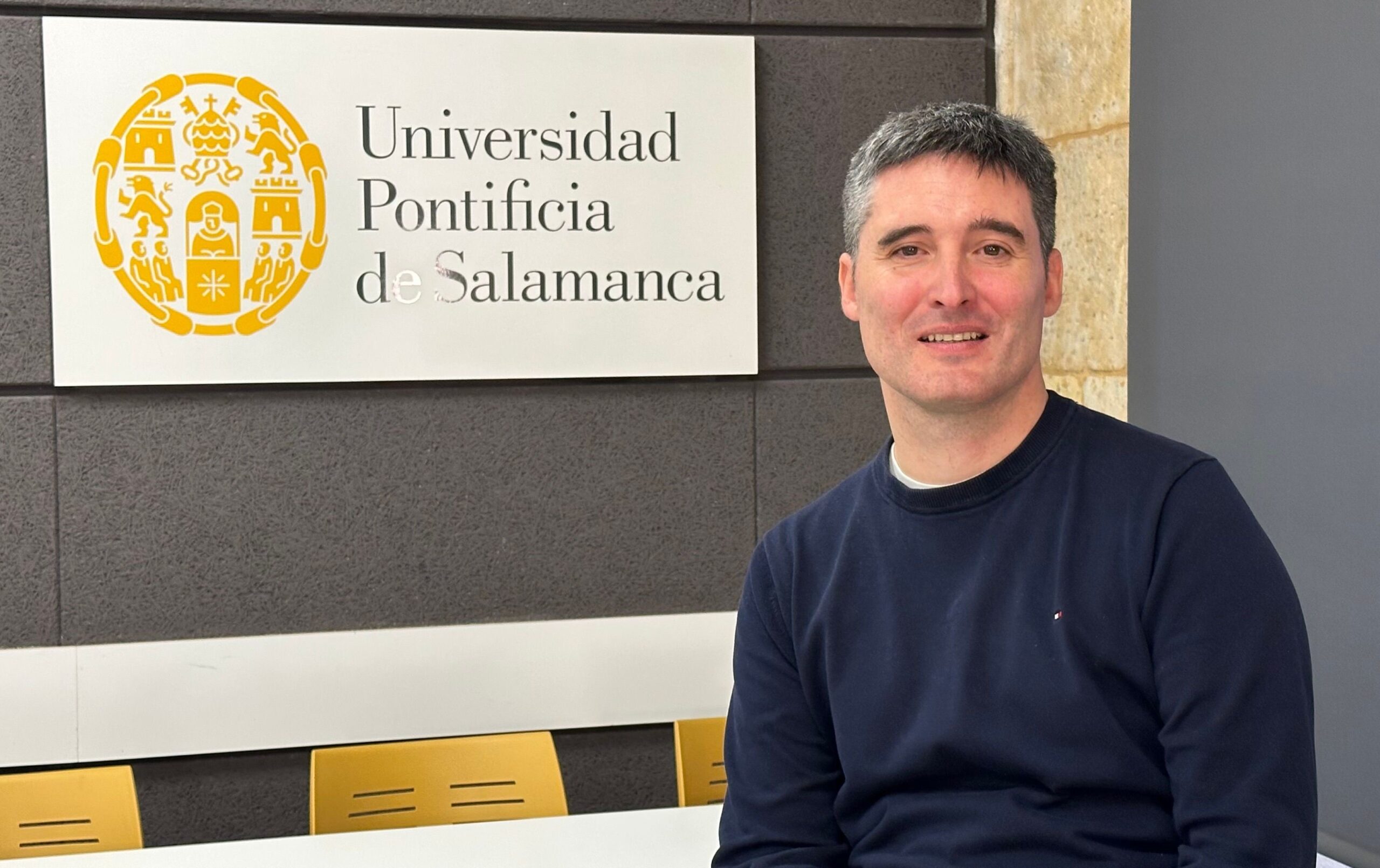
Nicolas led us in a relaxed and humorous way through some principles of nonviolence using his background in mediation with families, in schools, with the police and even the Spanish army.
“This workshop is an experiment” he said “I am not sure where it will go.” The task orientated part of me felt very nervous, but his skill, expertise and charm took me along with the flow.
He used the process of the workshop to illustrate his points – including the first decision of the group to decide when the coffee/tea break would be. This demonstrated how an initial idea might then be developed as group members added more information, gave alternative suggestions and voiced their individual needs. That decision could have taken the whole workshop, but thankfully Nicolas used the authority we had given him to make the decision more quickly!
That illustrated another of his themes, who has authority and who has it recognising that power imbalances will have an impact on dealing with conflict. The aim in any conflict resolution is for a win/win situation not lose/lose or win/lose. This shouldn’t be competitive and, at the end everyone should feel they have achieved what they need.
Some key messages for me were that resolving conflict is not about the facts but about perception and once we understand that we can move forward. He illustrated this in a concrete way by asking us to move from our seats and sit in a different place. How different does that feel? Elements of a nonviolent approach to conflict as well as perception include narrative, space and time.
Nicolas’ focused on the importance of space. Stressed that this needs to be a very concrete thing. The place where we meet, how do we use physical space in a meeting area, how to engineer informal spaces. When we are analysing the context of a conflict ask ourselves where and when does it happen.
Another key message was that dialogue comes towards the end of the process: all the other aspects need to be in place first. In other words, we need to prepare for managing conflict.
One of the most moving aspects of the workshop was when we were asked to introduce ourselves and express what our issues concerning conflict were. Participants were experiencing a wide range of conflicts some very personal and hopefully Nicolas was able to offer something to everyone.
This session was an excellent introduction to practical tools and we are now thinking of ways we can follow it up. We will be producing a brief resources leaflet for participants and this will be held on the Justice and Peace website.
Find out more about the Catholic Nonviolence Initiative by using this link: https://paxchristi.net/catholic-institute-for-nonviolence/