The 2026 Anthony Storey Memorial Lecture took place online on Wednesday May 13th.
Sir John Battle spoke on “Hope in Turbulent Times”
The full text for this lecture can be found below.
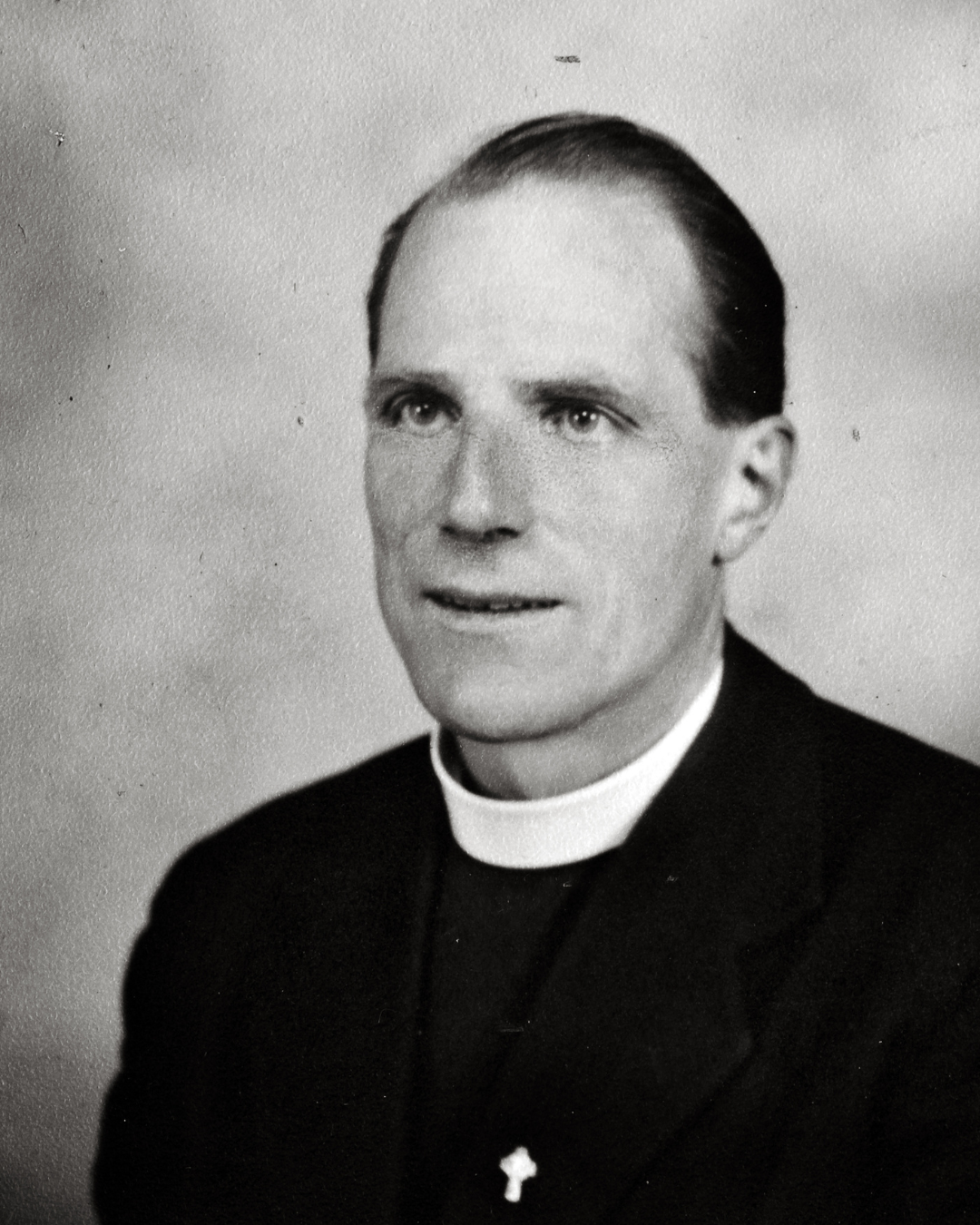
Fr Anthony Storey
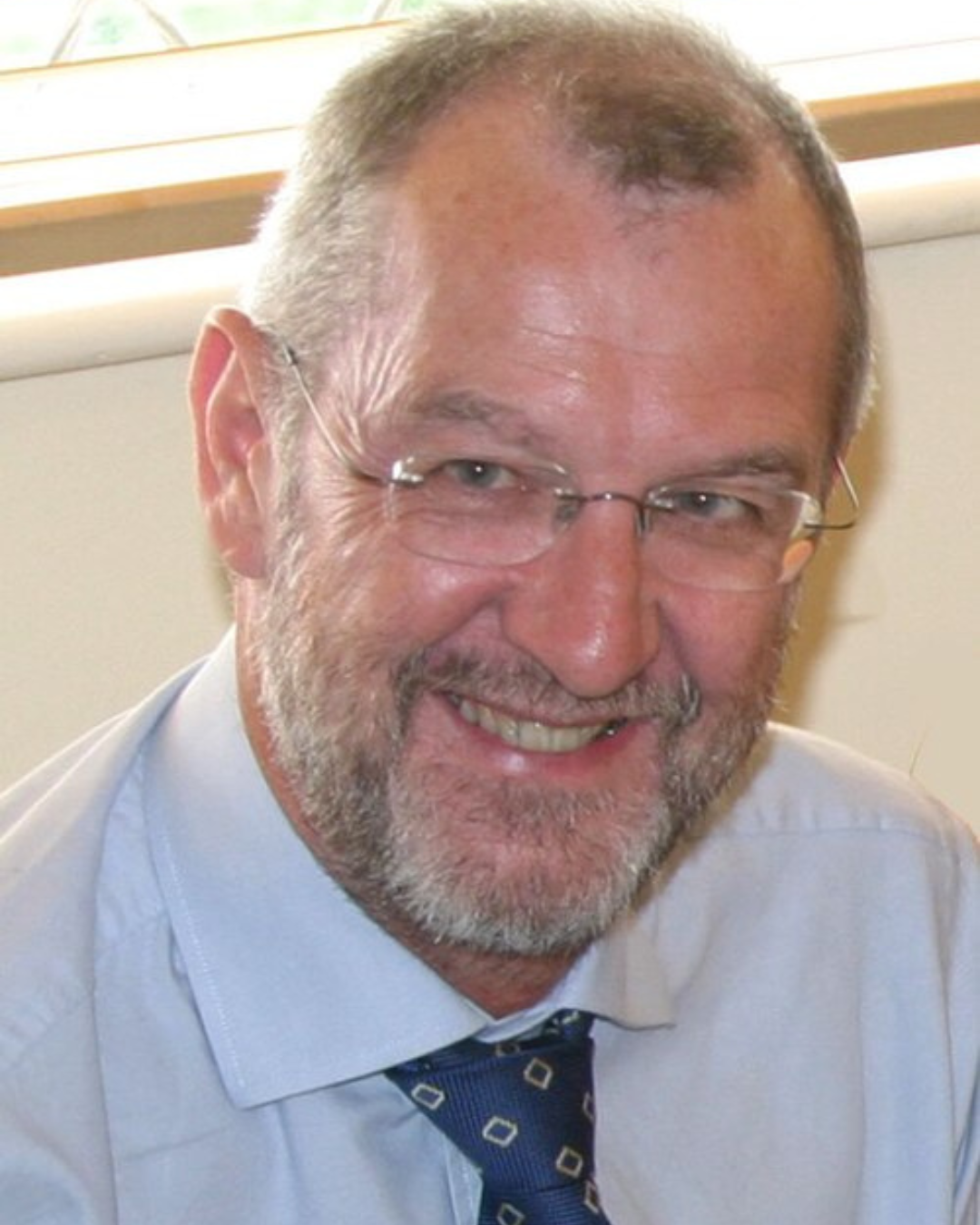
Sir John Battle
HOPE IN TURBULENT TIMES
The 2026 Storey Lecture
by Sir John Battle
Thank you for inviting me to speak at this lecture in honour of Fr. Storey, a priest with a national reputation of building communities, working with young people and a strong commitment to Catholic social teaching and working for justice and peace.
By way of introduction, I have the privilege of serving the people of West Leeds as their MP from 1987 to 2010. I presently chair our Leeds Diocesan Justice and Peace Commission, but also have the privilege of serving as a retired volunteer in our local New Wortley community project in our West Leeds community. This is an area still sadly with some of the highest indices of deprivation in the country, not least with young people’s unemployment levels and the challenges of mental health. It is also my own catholic parish neighbourhood.
When Barbara and I discussed the theme for tonight back at the beginning of March, the language of “hope in turbulent times” seems to have lifted off with regular media references to the word “turbulent”, not least in present politics from President Trump’s changing tweets, to our own local elections and government’s political turmoil. Even the football season is now said to have a “turbulent ending”.
The word “turbulent” comes from a Latin root word “turbo” meaning basically “crowd”, and referring to the “chaos of crowds”. In mediaeval times, it was simply translated as “trouble”.
Of course, it’s commonly used in aircraft turbulence where there are four levels for pilots; light, moderate, severe, and extreme. So while football turbulence is light, it’s tempting to insist that the much overlooked report this week from the United Nations that continued closure of the Straits of Hormuz will, in just a few months time, lead to some 45 million deaths in poor countries through hunger and starvation, that’s extreme turbulence that deserve serious attention.
We are in a common home and rather than live as a riot of a crowd we are invited to follow the gospel imperative of Jesus to become God’s people as brothers and sisters in that common home.
In Book VIII of his “Confessions”, Saint Augustine describes hearing a child’s voice chanting the phrase “Tolle et Lege” ” Take up and read”, which inspires him to open Saint Paul’s Epistle find a passage from Romans (13:13) that leads to his conversion to Christianity. “Tolle et Lege” is his motto for Christian growth.
Notably, Pope Leo in his memoir to Bishop Marcus regarding our diocese future reorganisations stress the need to “study and reflect” in the light of the Holy Spirit.
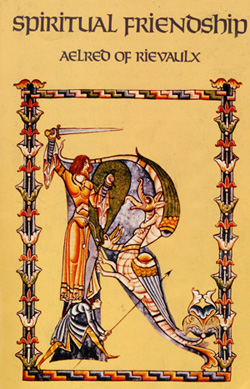
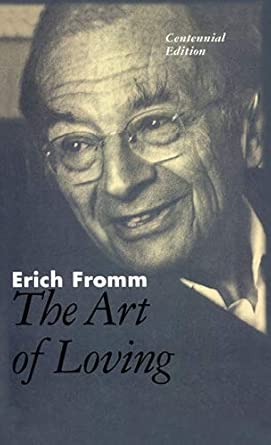
Peter Roebuck’s inspiring biography of Fr Storey “A Priest for His Time” tells us that Storey was throughout his life a great reader and he kept close to him all his life two key books; the 12th century Abbot of Rievaulx, St Aelred’s “Spiritual Friendship” and the post Freudian psychotherapist, Eric Fromm’s “The Art of Loving” (1957).
And we learn that, at the end of his long ministry, Storey died working on a book he was to “Relationship”.
Reflecting Storey’s life experience of proclaiming and practising the gospel in community, we can rediscover some resources for hoping in our current turbulent times.
This week, 13-20 May has been declared as the week “A Million acts of Hope”, of everyday acts of kindness, a charity organisations initiative ” to combat the chilling effect of hostile narratives on civil society.” In 1980 Dom Helder Camara of Brazil wrote “A 1000 Reasons for Living” again celebrating reasons for hoping.
Can we tell good news stories instead of bad ones?
We need to remind ourselves of the keyword “HOPING”. It is an active verb not to be flattened down to an abstract noun or concept or reduced to feelings of optimism. Rather hope should be expressed in terms of a “doing” word to be practiced, that is to be shared with others.
And the source of “our hoping” is of course the biblical story of our salvation, the call of God to become “my people”, the liberation from Egypt in the Exodus, culminating in the Resurrection of the Risen Christ we are celebrating this Easter and now with the sent support of the Holy Spirit.

The difficulty is that, this side of eternity, we also have to continue to live within the Paschal mystery of the Crucifixion, so we cannot escape the experience of suffering and death yet personally and socially in our own homes, societies and nations.
This Lent and and Easter season it has felt as though the world is tilting towards chaos with international economic and political shocks, technological upheaval, terrible wars, increasing inequalities locally and globally, and the perma-streams of daily bad news.
A young man in our New Wortley men’s mental health regular Friday walking group turned up to tell us he was back living in a tent because he was too afraid to check in for his benefits in case he was signed up and sent to war. As a result his benefits including his rent were cancelled and he was evicted. As the point said the opposite of hope is not hate it is fear and today our politics and culture are dominated by fear, especially the fear of others.
Let’s lok at Storey’s key reading.
Eric Fromm in “The Art of Loving” certainly foresaw the dangers of fear, individual individualism and consumerism undermining deep personal relationship relationships with each other and God bringing about what he termed “separatism”, “the Prison of aloneness”.
Significantly Pope Benedict XVI stressed in “Caritas in Veritate” that in modern societies real poverty is now “isolation”.
Fromm also refers to the Old Testament reference to prioritising the poor and of understanding love as loving others rather than “being loved”.
Hoping in other words is always about relationality. In this, Fromm anticipates Pope Francis’ key encyclical “Fratelli Tutti” on “social friendship” which stresses “encounter” and “listening”.
The 12th century St Aelred’s writing is remind us that turbulent ‘troubled’ times are not new as he comments on the 12th century crisis when he was at Rievaulx.
Times of contested authority and fracturing society, times of rapidly shifting loyalties, times of a collapse of central authorities, times of rich autocratic Barons ignoring basic civil rules increasing inequalities between rich and poor and rulers taking money from the poor to fund military adventures and war such as the Battle of the Standard at North Allerton.
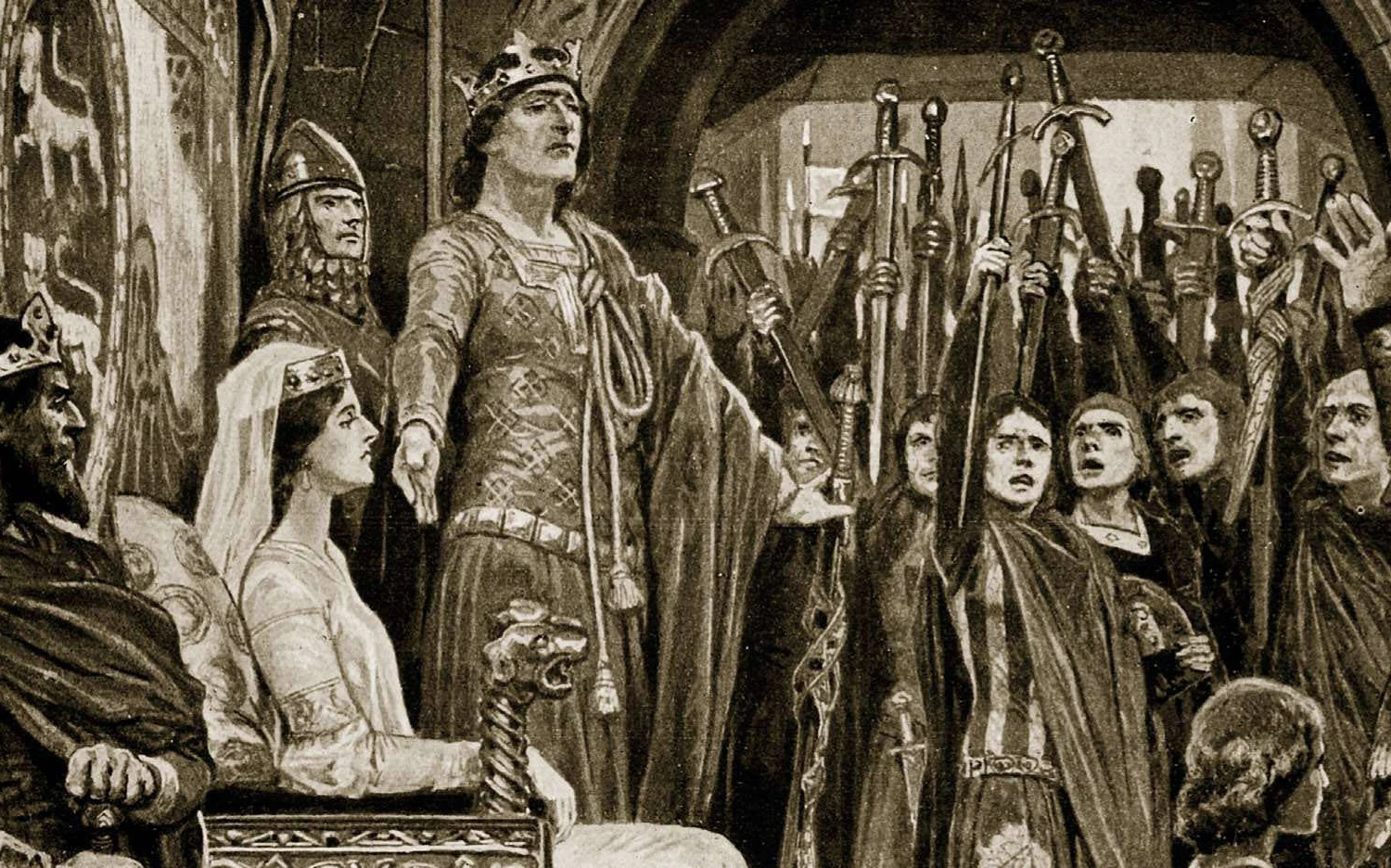
In 1135, after the death of King Henry the first the succession crisis in St Aelred’s day led to what became known as “the decade of Anarchy!” described by the Chronicles as a time “when Christ and his saints slept”.
Where would we go and look now for reasons for hoping closer to home?
Our region was the region of Cistercian abbeys. Kirkstall Abbey in Leeds, daughter of Fountains is 15 minutes walk from my home across the River Aire. It’s where I often go on my own to hear the psalms recited daily echo on the ruined walls through the ruined walls. The same psalms, the prayer of the church, that daily Office that kept Storey going through his ministry.
In the 13th century, the Abbott of Kirkstall was asked about prayer and whether a monastery was an escape from the turbulent world. He spelt out that it was the opposite. Contemplation, deep prayer he said was “developing a capacity for a Long loving look at reality” not running or hiding away from the real world surrounding them.
Today from Kirkstall Abbey, you can see HMP Armley where last night some 1069 men were locked up, many with drug alcohol and mental health problems and many for minor offences. Prisons are where we warehouse those society fails.
So the challenge for our blessed region of monastic heritage is how do we blend contemplation and the reality of action for justice and peace in our turbulent world, our neighbourhoods of today, personally in our church and parishes and in our communities and society? How do we hold together contemplation and action?
St Oscar Romero said that the task of the church is twofold
“to tell the truth about reality and accompany the people”
And we have some brilliant guides not least in recent papal encyclicals the essence of Catholic social teaching.
- “Tolle et Lege”
- “Laudato Si” : Care for the Earth and Care for the Poor
- “Fratelli Tutti”: on “Social Friendship”
- “Diliexi Nos”: do not neglect personal transformation
- “Dilexi Te”: on Love for the Poor”
This the strong and thought out tradition gives us encouragement and reasons for hoping.
Storey was in Rome for the final session of Vatican II when the very last document “Gaudium et Spes” was drawn up, the document that puts campaigning for social justice and peace on the basis of the dignity of each person right at the heart of practising the gospel and evangelisation. “Gaudium et Spes”sparked off justice and peace commissions here and internationally and it was actually Bishop Wheeler former Co Adjucant of Middlesborough Diocese who came as Bishop Of Leeds to set up our own justice and peace commission in the early 1970s.

Our justice and peace commissions both in Leeds and Middlesbrough that Storey supported throughout his life have worked hard during recent decades to carry forward that mandate “Gauduim et Spes” to raise awareness and address poverty and inequalities at home and abroad, to point out the injustices of racism, to welcome migrants, refugees, and asylum seekers, and to campaign for peaceful solutions to conflicts. In Leeds with the SVP we help develop what is now St Monica’s Housing for single asylum seeking women.
But our times are changing rapidly.
When our men’s mental health walking group started 16 years ago the high risk age for men suicide was 50 to 80 years it is now 20 to 45 years. Young people are now the new poor in our society. Our Leeds justice and peace commission has now set up “Spark Social Justice” initiative to give justice and peace young persons their own voice and opportunity for development.
Pope Leo’s encyclical “Dilexi Te” now urges us to work on two particular themes.
Firstly “the structures of sin”.
St Oscar Romero put it
“When the church hears the cry of the oppressed it cannot but denounce the social structures that give arise to and perpetuate the misery from which the cry arises”.
We must challenge structures and develop new models of social and political advocacy.
Secondly, the need “to work with the poor as subjects” as agents and participants are not as objects. Pope Leo also suggest that we should work with other “movements of lay people” that “refuse to leave the poor and vulnerable behind”.
In our work as justice and peace and peace commissions, we have worked with organisations such as Church Action on Poverty, the Citizens UK movement as well as CAFOD and Pax Christi and more recently collaborating on the environmental challenges, but we need to strengthen our relationships and solidarity with the poor for the future
In conclusion, hoping is always hoping for and with others.
The Dominican preacher and theologian Fr Herbert McCabe OP said
“We are not optimists, we do not present a lovely vision of the world in which everyone is expected to fall in love with. We simply have, wherever we are, some small act to do on the side of justice for the poor.”
The Great liberation theologian Fr Jon Sobrino in his book “Hope” wrote
“Hope does not mean the realisation of selfish desire but rather grows out of compassion, reconciliation, forgiveness, the immense reserve of primordial saintliness that exists in the third world. And it grows out of the solidarity of people and groups who live in the world of abundance but have never given into its logic; who have instead found life by trying to give life to the victims of this world. These are small. gestures but they help set history back on course”.
I conclude with a quotation from Storey himself:
“While we may not have any shattering impact on the great wide world, we will not do amiss if we grow life as a body of folk who care and share and rejoice in the life giving company of the Lord. Up with your hearts.. spring is in the air as the grasshopper said to which the slug replied ‘spring in the air yourself’. So be a grasshopper.”
Thank you Storey.