
Civilians in War
by Sara Forrest, Commission Member
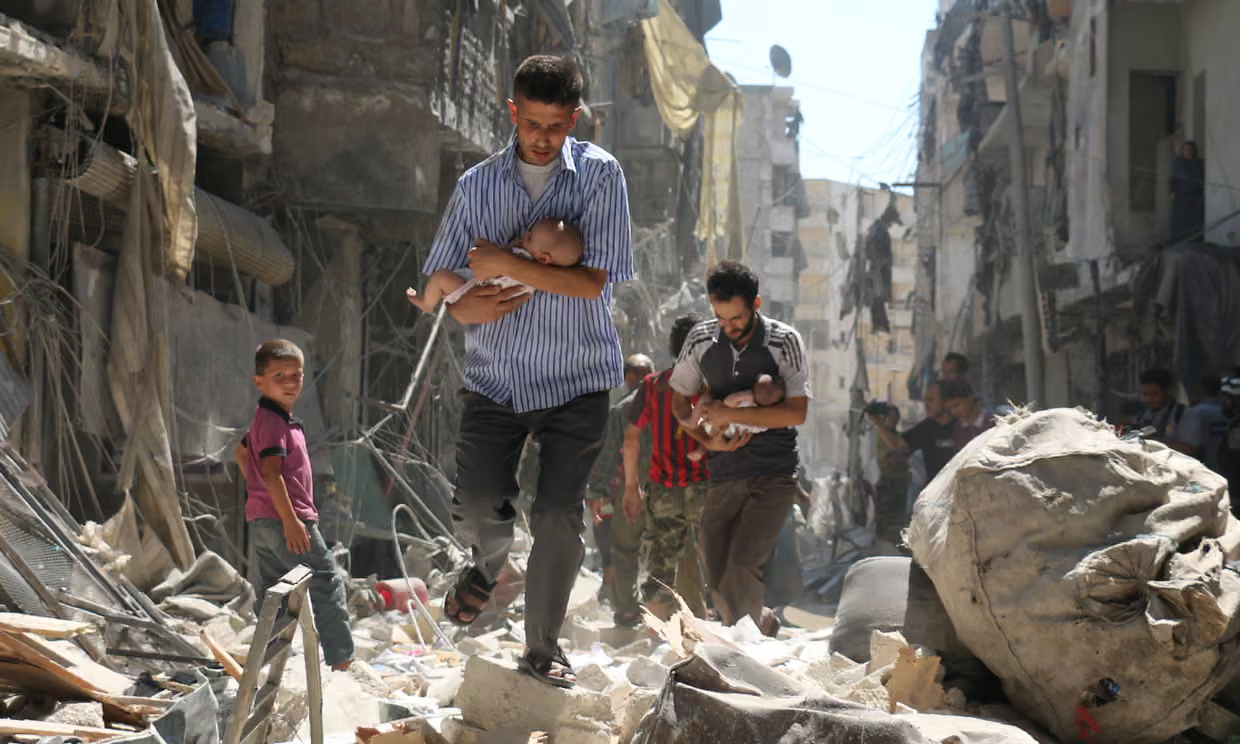
Like many, I find the damage done to residential blocks of flats and attacks on energy and water infrastructure wrong. The civilians in war zones rarely have the power to stop their rulers fighting neighbouring states or distant states, regardless of who ‘started it’. Of course civilians have always been hurt or killed in war, in collateral damage. I think that since WW2 the number of civilian casualties is a higher proportion of the total casualties.
Sadly, now it seems that it is accepted by some significant powers that direct attacks on civilians and their mass displacement is OK.
It isn’t.
I’m even sadder that the UN Security Council, thanks in a large part to the veto power of some states to quash resolutions of condemnation, gives the appearance that this behaviour is OK.
It isn’t.
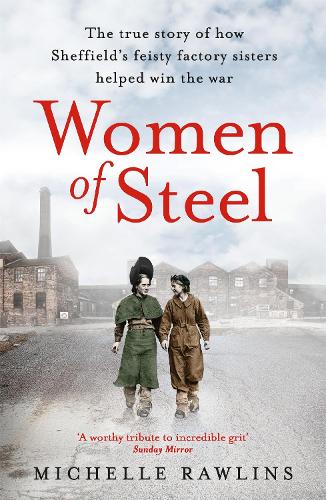
Over the past few weeks, I have read three books about women in war. The Bookbinder of Jericho (Pip Williams) is set in WW1 Oxford and Women of Steel (Michelle Rowbotham) is factual and tells many stories of the women who volunteered or were conscripted to work in the forges and metalworks in the Sheffield area during WW2.
What struck me about both was how the feeling of being threatened by external forces bound local communities together and led to people stepping up and doing things they wouldn’t normally consider. For example, women who could sew took work dungarees up and in to fit the women who wore them. Their main fear was what the war was doing to those who were fighting on their behalf. There was a sense of ‘it is what it is’ and we just need to make the best of it.
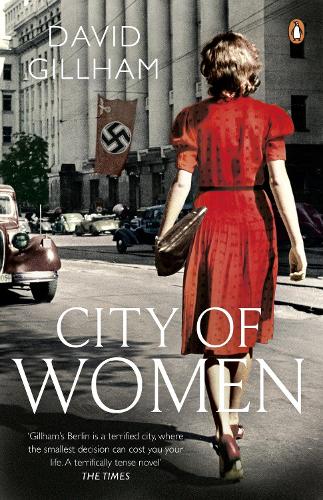
The third book, City of Women (David Gilliam) is set in WW2 Berlin and was bleak and dark. In that book the women feared Nazi neighbours as much, if not more than the enemy. Civilians disappeared into prisons on the basis of accusations without trial. The same community spirit was not evident. It was each one for themselves.

I therefore applaud our politicians who regularly speak out for tolerance and remind us that we are a people who have welcomed so many others to live here over thousands of centuries. They abhor those who seek to spread division and hatred in our country.
I hope that each of us, in our own way, finds the confidence to quietly tell any friend and family member who veers towards supporting divisive views that we disagree with them because we are Christian and we follow the example of Jesus who welcomed the stranger and helped the marginalised.
We are many, the Pope is one, if we are all seen and heard talking about tolerance and living in diverse communities the world will be a better place.
———–
As an aside, a result of the Sheffield Star newspaper collecting the stories of the women of steel was a collection and now there is a bronze statue of two women dressed as steel workers in Sheffield city centre. Personally I wonder how much their acceptance that they lost their jobs when the men returned from fighting underpinned the Women’s Lib movement in the 60s leading to Equality Acts in the mid 70s. I’m old enough to have joined the workforce knowing I could be sacked for getting engaged, married or pregnant!
*****************************************