
Public Sector Equality Duty
by Sara Forrest, Commission Member
The news is full of commentary with regard to the Equality Act 2010 which established the Public Sector Equality Duty. I worked in Human Resources and my understanding of it is very different from what I have heard this week.
The Duty recognises that certain groups of people are, and have been, historically disadvantaged by our policies and laws. It states that it is a State responsibility to reduce the factors that have given rise to the disadvantaged so that we become a fairer country. The Duty says that Public Sector management must consider the different impacts of any changes in policy or practice to make sure that such disadvantages are reduced (or at worst maintained) if they cannot be proportionately and reasonably reduced.
The legal frameworks in the UK and USA are very different.
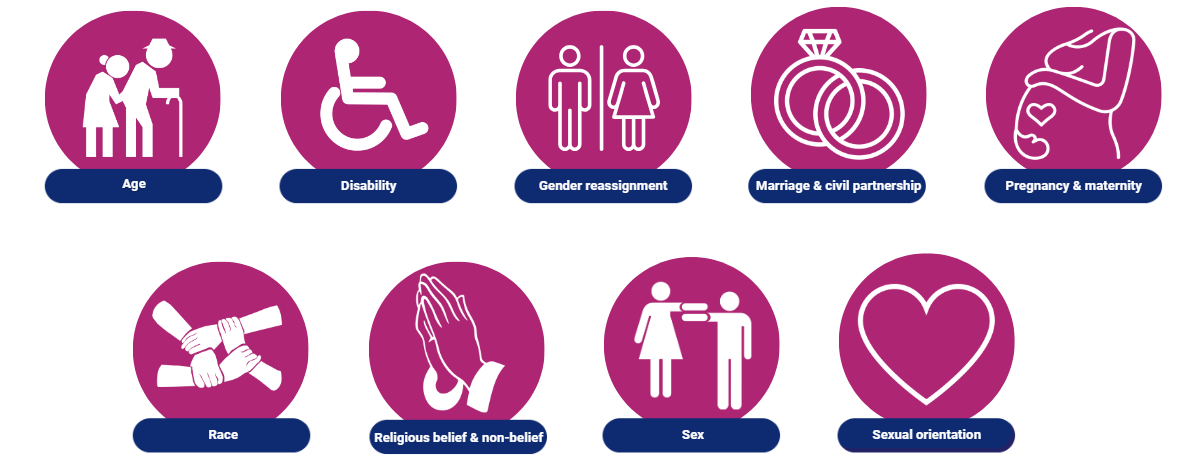
UK legislation (excluding Northern Ireland) focuses on equality of opportunity e.g. every job is advertised openly and the best person appointed via a fair process which is altered to enable disabled candidates, for example, to compete effectively.
In the USA the legislation creates targets. which can mean that a disadvantaged applicant who does not have the best match of skills and knowledge required to do the job well may be appointed in order to meet a target. This no doubt contributes to so much anti Diversity rhetoric spreading here from the USA.
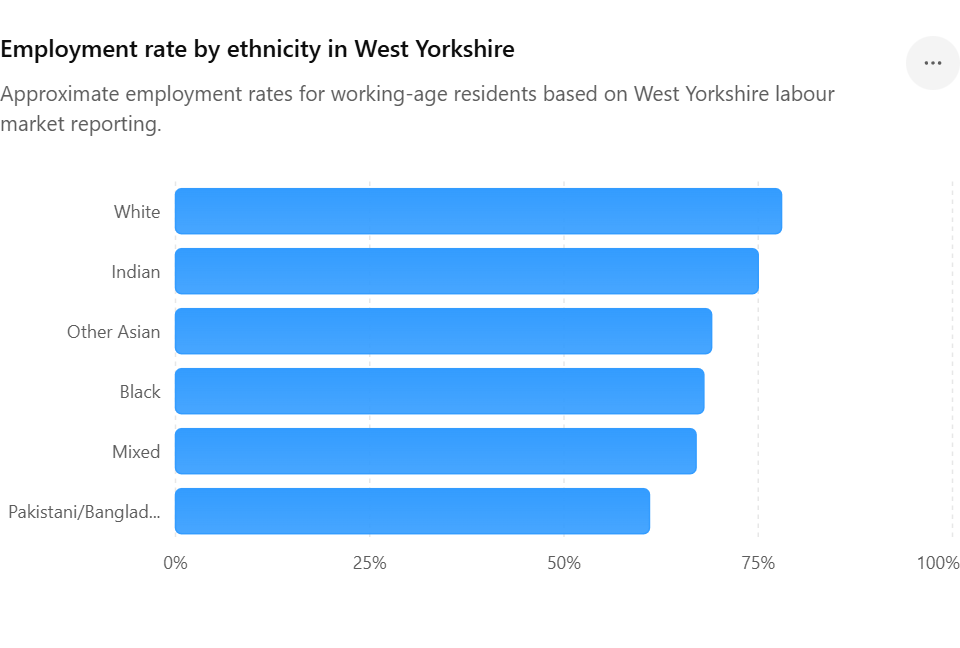
For example, many years ago, when I worked in the private sector, I was concerned that the few recruits every year, in a city that had a high ethnic minority population, were white. Research showed that all our applicants had been white which indicated that the issue related to what our adverts said and/or where they were placed.
So I looked at why our office jobs may not be attractive to ethnic minority applicants. At that time the first level, non mandatory, professional qualification in our industry required 2 A levels or 5 GCSEs. So the next time we had an entry level vacancy we included that as a minimum academic requirement.
We got a more representative range of applicants. Within a few years our office was more respresentative of the area within which it was based.
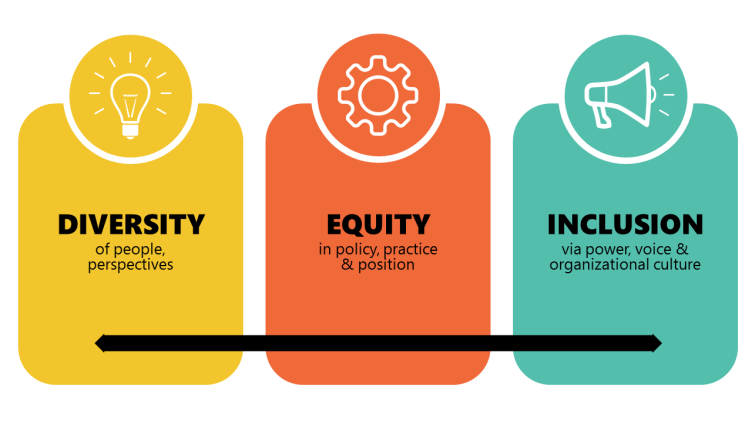
Here is an example of how targets can alter discussions around equality.
In my first public sector HR role I remember a discussion about meeting the self imposed target of 10% ethnic minority staff (a political policy requirement before the 2010 Public Sector Equality Duty). I suggested that given the age profile of the local workforce (most employees over 35) we should be moving towards a policy that those appointed to our entry level jobs – i.e. school leavers and new graduates , should reflect the proportion of that age group who were from an ethnic minority in the area. At that time any age based target for such jobs would have been significantly more than the 10%. The rest of the HR team said it was hard enough to get the 10% across the whole workforce and any change from that would not be acceptable to our political masters. So the disadvantage of our local, young ethnic minority population was not addressed.

The ACAS website is good at explaining best practice for employers. Privilege persists where the selection process for recruits, training or promotion favours one group of candidates over others. In the UK employers must be able to demonstrate that a fair competitive process has been followed, that is not the case in the USA.
In both UK and USA political appointments do not follow the same rules which is a great shame. It’s still a ‘who you know’ environment of opportunity.
I am glad that we have at last identified that many young people are disengaged. In part due to State policies and systems which do not support them to flourish within our society. Alan Milburn’s report is an excellent example of the Public Sector Equality Duty in action. I look forward to reading his cross Departmental recommendations in the autumn. Though my niece and nephew who are long term unemployed are now too old to benefit from changes.
Very early in my HR career, I remember being advised not to tell anyone outside the HR team that I did not think the Graduate Scheme Fast Track we were launching was unfair since our performance manage system was not as effective at identifying talented individuals within the current workforce as it could be. The HR Director’s advice – senior staff often paid private school fees to give their children an academic advantage and support their getting degrees, they naturally wanted to maintain that privilege for their children by reducing the number of competitors for such jobs. Luckily I was assigned responsibility for updating our performance management system and improving manager skills.
As Christians we need to carefully consider what we hear/read/see and think about situations in all their complexity. The world is a complicated place. Solutions are rarely either/or.
*****************************************