
Assisted Dying
by Sara Forrest, Commission Member
The Assisted Dying Bill will again be presented to Parliament. It raises many issues about life, death and the choices we make.
I remember my grandad coming home to die when there was no treatment for his cancer. I was about 15. We ate our meals listening to his laboured breathing via an intercom and we could tell when his pain was particularly bad. I was at home when my mum asked the GP about increasing his pain medication. He was a fellow parishioner. He quietly explained that doing would take the pain away but it would also depress his breathing and probably hasten his death. Mum was upset and asked for time to talk with him about what he wanted. She cried after the doctor left. A couple of days later grandad was prescribed the medication. He died peacefully at home with family around him.
As my mum approached her own death her regret was about grandad. As a child she (and younger her sisters) had rejected any lady friends he brought home after her mother’s death. She felt that she might have taken away his chance for a second marriage and happiness. She had no regrets about decreasing his pain when he was dying. My grandad was very kind and lived for his family, I suspect that his choice to take the medication was influenced by both a wish for the pain relief and his not wanting to be a burden.
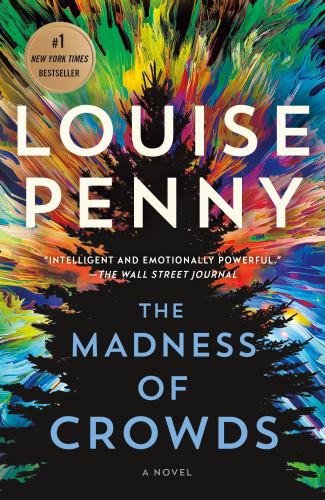
The Madness of Crowds is a novel by Louise Penny set in the aftermath of Covid in Canada.
At its heart it is a murder mystery but through the characters she develops deep emotional and rational themes about assisted dying and the right to life. It even touches on the horror in Sudan and our Western responses, which are from a position of privilege. Having said that, it is engaging and not a heavy read.
It challenges us to think of how acting out of love for someone might influence a choice. Murder is not always done from a position of hate. I thoroughly enjoyed reading it.
It helped me to think more deeply about the circumstances in which I might prefer to receive medication to relieve physical pain and thus reduce the emotional pain of the people I love.
Thankfully that seems like a long way away!
I hope and pray that whatever happens to this Bill the NHS will improve access to palliative care that supports people who are close to death in whatever setting they choose.
*****************************************